

No visit to Battle Creek is truly complete without exploring the history behind its most famous landmark. The Battle Creek Sanitarium was once a world-renowned health resort that influenced everything from wellness trends to the cereal industry. While the original spa is no longer in operation, its legacy continues to shape the city and offers plenty to explore.
A Quick Timeline
The Battle Creek Sanitarium’s history first started in 1866 with the Western Health Reform Institute, which was founded by Seventh-day Adventists on early health and wellness principles. In 1876, Dr. John Harvey Kellogg took over its management, evolving the building into a globally recognized institution centered on natural remedies.
In 1902, the original building burned down. It was quickly rebuilt in 1903 as a larger and more advanced facility that further helped expand its international reputation.
By the early 1900s, the Sanitarium had evolved into an expansive campus housing dozens of buildings and space for more than a thousand guests. The new structure had an entire wing dedicated to baths, salt scrubs, and swimming. It became a destination for health, innovation, and luxury, helping pave the way for Battle Creek to become the “Cereal City.”
The Great Depression led to financial struggles, and by the 1940s, the property was repurposed as a military hospital. Today, it’s now called the Hart-Dole-Inouye Federal Center.
The Notable Figures
Leading the Battle Creek Sanitarium was Dr. John Harvey Kellogg, a physician who blended cutting-edge medical science with wellness practices. He promoted diet, exercise, and preventive care long before they were widely accepted.
Kellogg championed “biologic living,” advocating for vegetarianism, exercise, fresh air, and abstinence from tobacco and alcohol. Being physically active and getting outdoors were part of the Seventh-day Adventist teachings.
His brother, Will Keith Kellogg (a.k.a. W.K. Kellogg), helped manage the business side and later founded the Kellogg Company. In fact, many early food experiments began at the sanitarium, paving the way for modern cereal innovation.
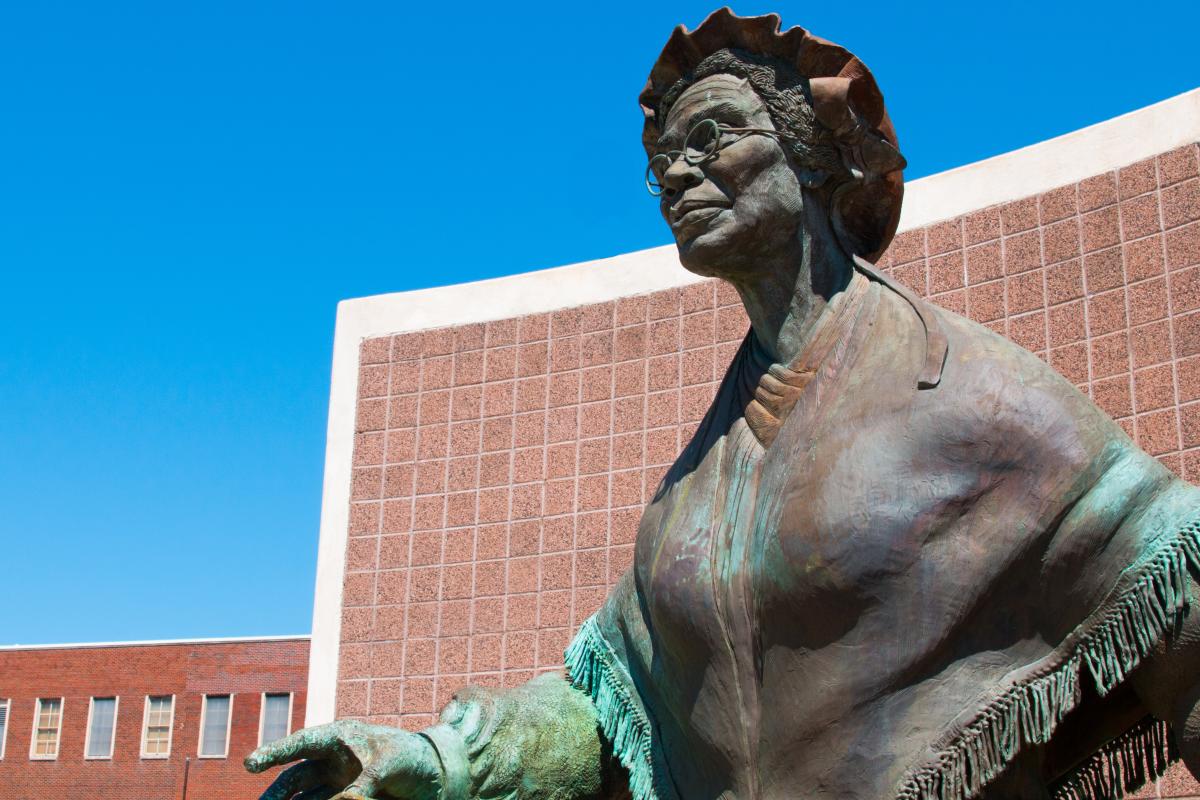
The institution attracted a variety of notable visitors, including Henry Ford, Amelia Earhart, and Sojourner Truth. Cereal pioneer C.W. Post was also once a patient, later going on to launch his own company after being influenced by the sanitarium’s health‑focused foods.
What Remains Today
Many visitors wonder what remains of the Battle Creek Sanitarium today. While the original facility no longer operates as a spa, several nearby sites continue to reflect its long‑reaching legacy.
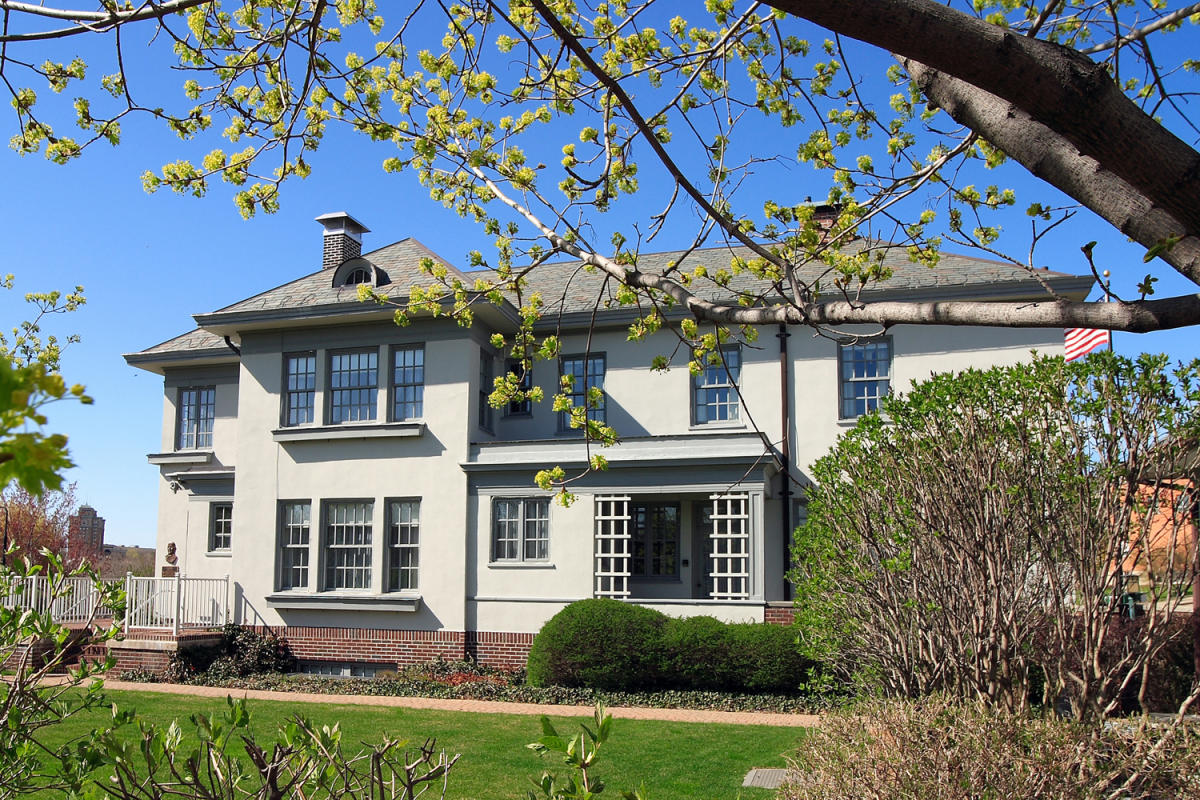
The Historic Adventist Village features exhibits and restored buildings that highlight the early health movement and innovations associated with the Sanitarium. Other landmarks, including the Sojourner Truth Monument and Kellogg House Park, connect to notable figures and moments from this era.
How to Experience the Battle Creek Sanitarium
The story of the Battle Creek Sanitarium is best explored through a self‑guided visit that invites you to slow down and step into the city’s past. Start at Historic Adventist Village, then drive to the Battle Creek Welcome Center, and follow the downtown walking tour to connect to key sites. Imagine bygone eras as you make your way through this historic city.
Along the way, you’ll learn how the city evolved from a health retreat into a destination still closely tied to wellness and innovation. Even though the sanitarium is no longer up and running, its legacy remains woven throughout the community, ready to be explored firsthand. For maps, itineraries, and planning tools, browse the official visitor guide, and start envisioning your own journey through Battle Creek’s history.

